What the soul already knows.
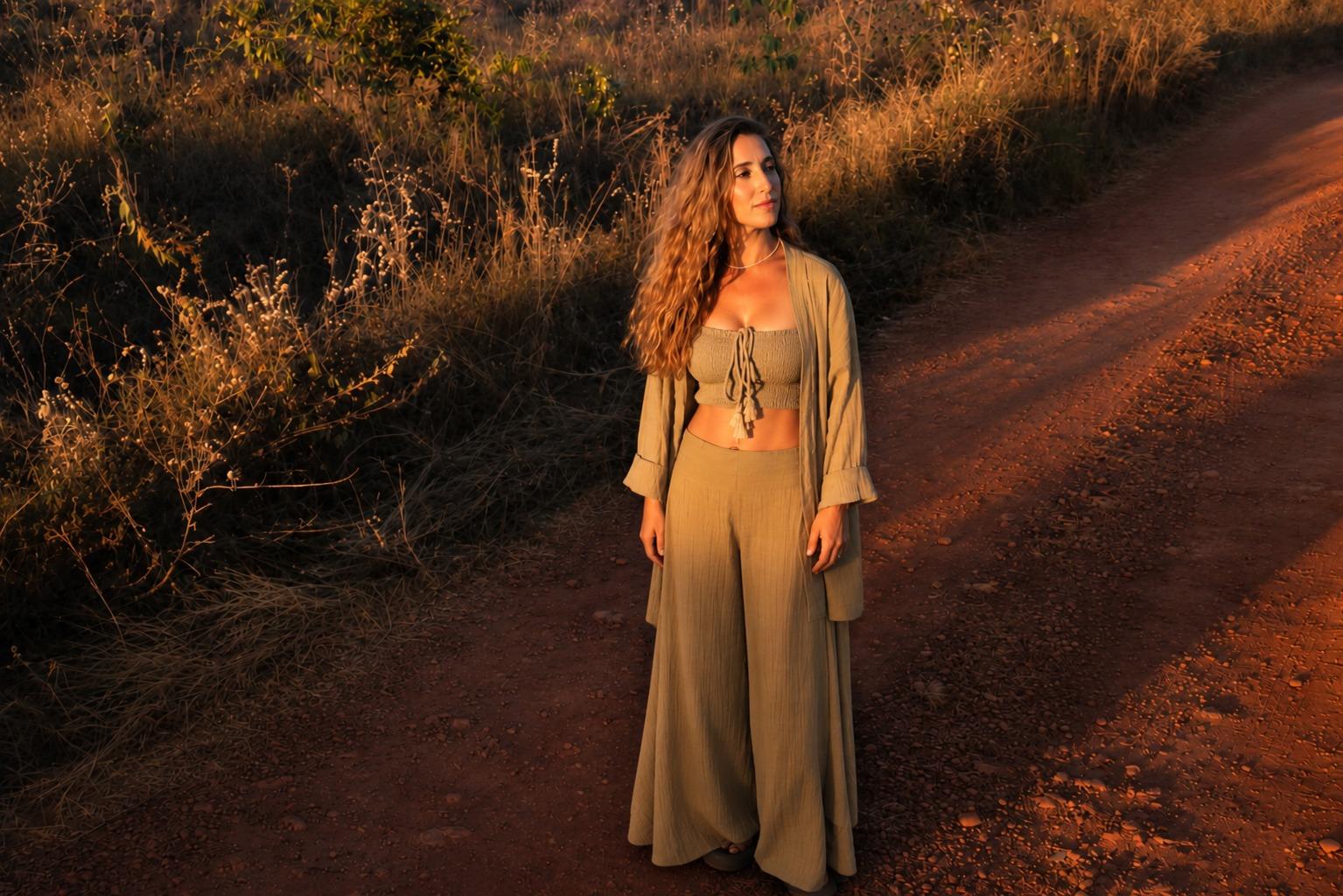
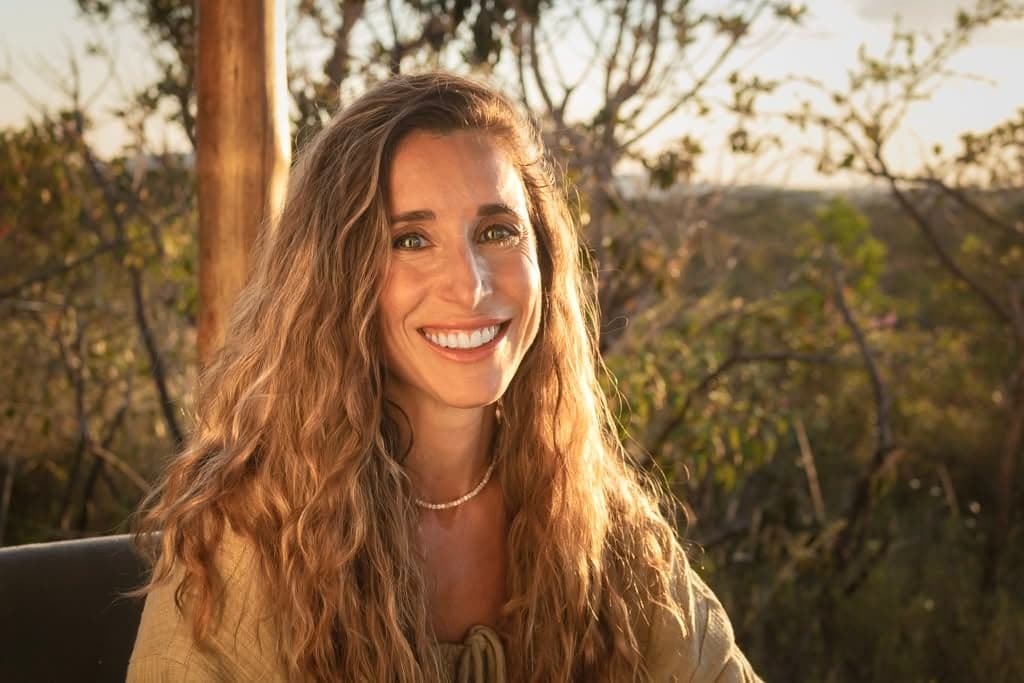
Jennifer Brooke Lawless is an Intuitive Clarity Guide. She studied psychology and communications at Boston University and earned her Master of Science in Mental Health Counseling at Nova Southeastern University.
None of that training prepared her for what she actually needed to learn: how to recognize when love is control in disguise.
She grew up in upstate New York, and she has always been perceptive, open to what is on the hearts and minds of the people around her. At six, she would cry if her family ate an animal. Her hypersensitivity followed her for years.
Her childhood held joy and pain both. There was a lot of fighting in her house, and she carried messages between her parents, each wanting her on their side. One night when she was about nine, her parents fought in her doorway, and she went to sleep at her grandfather's that night. For about a year after, her mom slept in her room and brought in a tiny TV, and while her mom got ready for bed she watched Nick at Nite, that small square of light holding steady while the rest of the house shook. Then her parents divorced, and she was left wanting love, feeling unheard and surrounded by chaos. Later came many trips to Mexico with her dad. Some of it never made sense to her, so she went into psychology, partly to understand her childhood.
For years she stayed in relationships that ran on intensity instead of intimacy, and later in communities that spoke about liberation while running on control. She was told she was too sensitive. She was too perceptive. Years later, in a controlling marriage, the color of her nails could decide whether she was yelled at that night. She left that marriage feeling emptied out and without direction, like a Halloween costume with nobody inside it. All she had was a dream: to paint without someone making her feel bad about dripping paint on the floor.
She couldn't find the book that explained it. So she wrote it.
The Decoder Series is the guide she wished she'd had, written for everyone still wondering if they're the problem. They're not. Neither are you.
She is the author behind the Decoder Series.
In 2023, in Mexico, Angel, a Master in the Field, described a box holding every gift Jennifer has, and Jennifer holding a handful of keys, none of which opened it. She had been packing that box since she was a girl, in the snow of upstate New York. Jennifer felt seen, and she knew what she wanted to become. She has since given over 200 readings and teaches the rose meditation.
She lives with her love outside the story now. That's the whole ending.
Chapter one
The story
I found out my grandmother was a writer from an envelope. Not a story anyone told me, not a shelf of her books: an envelope, addressed to Birdie, from a literary society, found while cleaning out a house. I never met her. I did not inherit her sentences, or even one memory of her voice. What I inherited was smaller and stranger: proof that this had already happened once in my family, that someone before me had been given permission to make something out of what she saw. Nobody handed me a story. I just stopped being able to deny that the line existed.
Before I knew what to do with that, I knew what to do with my body. I was an All-American cheerleader, a flyer, the girl other girls throw into the air and trust to land right: my first community outside the one I was raised in. Then a nationally ranked powerlifter, then a personal trainer. Both were the same deal. Prove you are strong where everyone can see it, so nobody asks what is happening where they cannot. I was good at being externally powerful for a long time before I was anywhere close to internally known. That gap did not start closing until a women’s retreat in Jamaica, years later. Before Jamaica, I found salvation in writing and painting.
Before the lifting and the cheering, I was a kid who read everything, drew constantly, danced to commercials in the living room: full of life, by every account. At nine or ten, too young to spell the word right, I wrote it in my diary anyway.
Dear diary, I think I’m dipressed.
What I was actually managing, underneath the performance, was a house full of big feelings, and very little room left over for mine. Full of life quietly turned into the one who performs so everyone else is okay, because performing was the only lever I had at that age over a house that unsteady. Being the entertainer was not self-expression. It was a job I took on to keep a room from tipping over. I got good at a survival skill and called it personality.
I have always been perceptive, and open to what is on the hearts and minds of the people around me. Upstate New York was snowy and cold, with giant leaf piles, Halloween, and lilac bushes in the fall. I was often at a friend’s house, wanting to be out of mine.
At six, I would cry if we ate an animal. My hypersensitivity followed me for years.
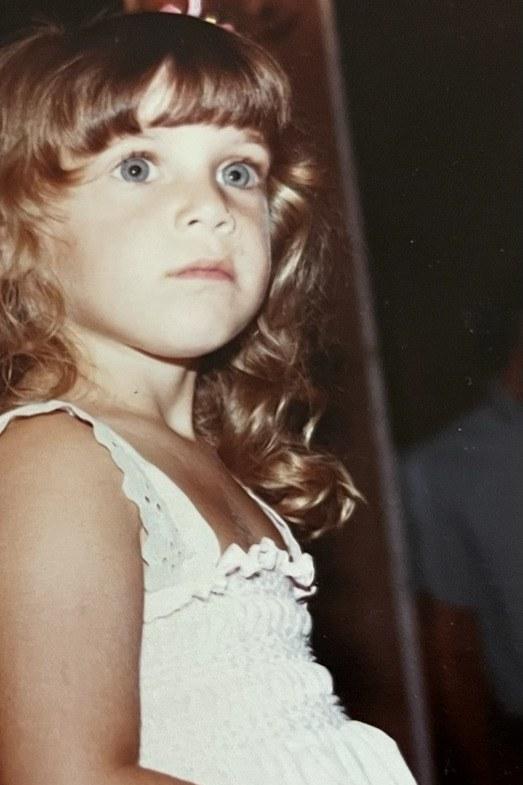
I was afraid of the anger in my home. I became a kind of carrier pigeon, delivering messages between two warring camps, and I was expected to be the good girl. I was.
For about a year, my mom and I shared my room. She brought in a tiny TV, and while she got ready for bed I watched Nick at Nite, that small square of light holding steady while the rest of the house shook. Then my parents divorced. I was wanting love and wanting to be heard, and later came many trips to Mexico with my dad. Some of it never made sense to me, so I went into psychology, partly to understand my childhood.
The good girl became toxic perfectionism: never good enough, not even for myself.
Somewhere along the way, I became the one standing guard over my own life. I decided I had not earned ease. I had to work hard, life was tough, and the joy faded.
Then I lost the thing all of that performing was supposed to protect. Years before any of this work, in Boston, I was in a relationship with someone who never once knew I could sing. Not that he missed a fact about me, but that the part of me willing to let anyone hear it had already gone quiet around him. That is what a controlling relationship actually takes. Not your voice in some poetic sense. Your willingness to let anyone hear it. And in its place, a belief is cultivated: that your voice does not matter, and that it is dangerous to express it.
I got it back in Mexico, through circles of raw conversation and fearless writing. I got it back singing through the rolling hills of a magic city, where I bloomed like a rose. It came back in my body: air, movement, something wordless moving through me the way it used to when I was small, when I could feel the strength in an ant carrying a leaf a hundred times its size without anyone teaching me that was a thing you could feel. I could read people’s minds, say things I did not know how I knew, sense all kinds of things about people. The channel had been shut for exactly as long as that relationship lasted, and it opened the same way it had always worked: by moving through me, not by me figuring it out.
Eventually I left a marriage that had hurt me, feeling emptied out and without direction, like a Halloween costume with nobody inside it. All I had was a dream: to paint without someone making me feel bad about dripping paint on the floor. I had gone against myself when I married, and I had gone without love in some ways: unheard, and surrounded by chaos. Giving away my power transmuted into helping others find their power, feel confirmed in who they are, connect with their spirit, and feel more empowered. Now I create a calm space where people feel seen.
In 2023, in Mexico, I sat with Angel, a Master in the Field. I was lost, with no clear sense of who I was anymore. Angel described what I had been going through. The image she saw was a box, with every gift I have locked inside it, and me holding a handful of keys, trying them one after another. None of them opened it. I had been packing that box since I was a girl, in the snow of upstate New York.
That empty costume is who walked into the reading, and the reading kept going. She described a little girl who had been taken and no longer knew herself. I knew that girl. It matched how I felt so closely that every word landed. It felt like someone was looking straight into the box I couldn’t open. Then I learned I could train to do this too, and I knew what I wanted to become. I like to be a mirror: to offer reflection so people can feel the strength they already carry.
I spent years in talk-therapy rooms: a clinic, psychiatric units, family systems, group and couples work, with a Master’s in Mental Health Counseling. I could see what someone was capable of before they could see it themselves, and I wanted, more than anything, to get them there.
Some of them did. But I kept meeting something the words could not reach.
So I went looking for what could. I sought out breathwork, shamanic healing, and coaching from the most spiritual women I could find in Boston.
Then my father died.
Two weeks before he passed I took my Reiki I initiation at Maha Rose. I never thought that was a coincidence. There are no coincidences. The night he passed, on Rosehill where I grew up, I sang the Rose to him and led a spiritual ceremony to help him cross over, and in the late night, early morning hours, he did. I had my first intuitive vision that night, and something I had kept carefully closed came open.
It took four years and several continents to learn what to do with that. I wrote two hundred pages in Cyprus, listening to my father. I studied astrology in Greece with Kaypacha and found the shape of my own chart. I lived in Nicaragua for a year, mostly unlearning. I joined several esoteric mystery schools, did Kundalini work, was buried in a ceremony in Mexico by a warlock shaman of sorts, gave energy work in Portugal, and walked the Gaudí park in Barcelona on a sojourn to live all of life knowing it was short. I dated myself in Paris at the Eiffel Tower. In Costa Rica I met an Angel of a woman who had guarded an ancient technology for thirty years in the Amazonian forest and in the Chapadas of Brazil. I deeply got to know myself and my inner dialogue. That was the moment the path stopped being a search. In 2024 I was part of the founding cohort that launched the school’s first international chapter, now the Aura and Dreams School, where I trained in aura therapy.
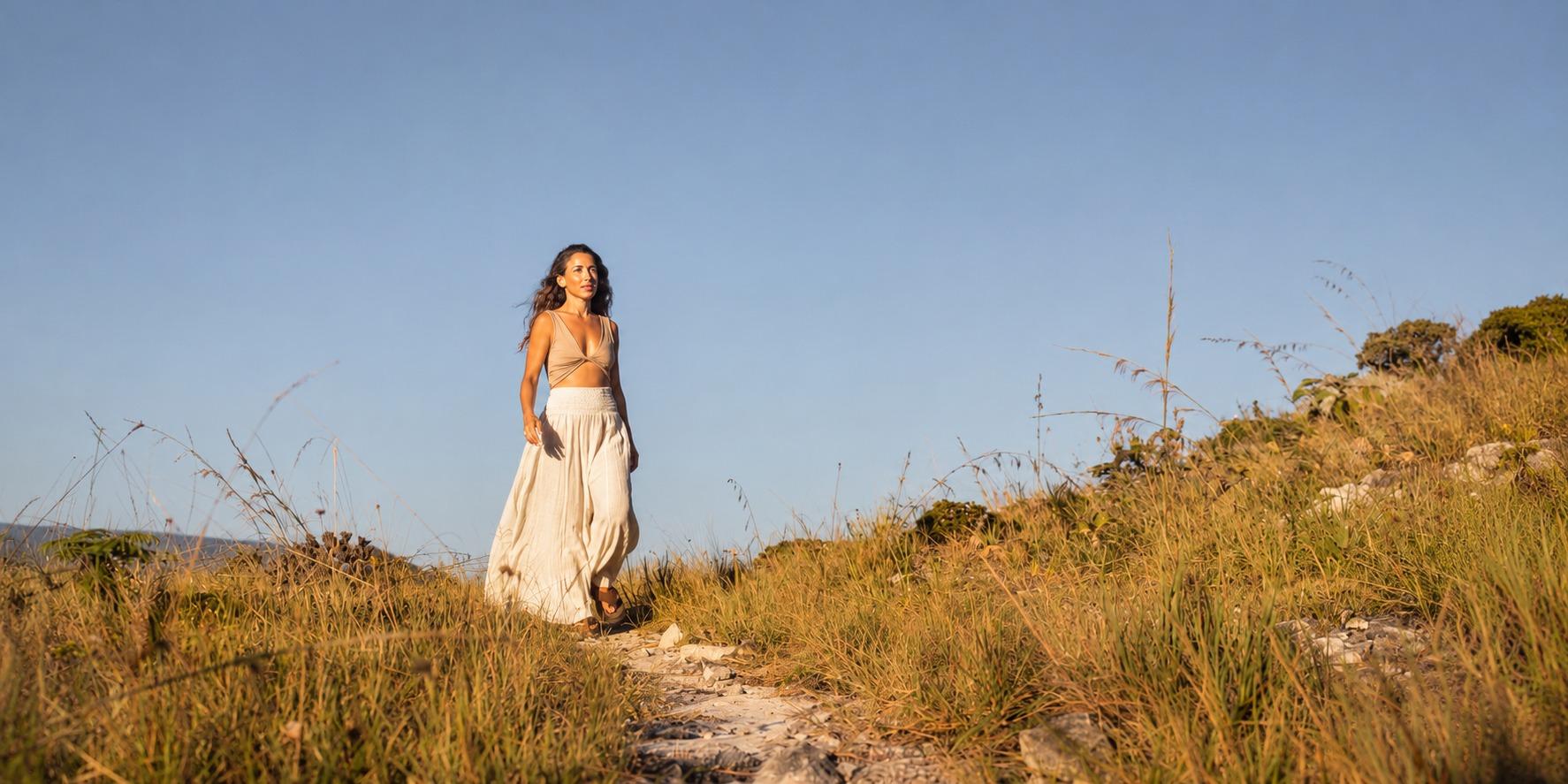
For a long time the traveling looked like guiding, and half of it was. The other half was me taking a layer off and going into the place I was most afraid to look, until I saw the essence, and how beautiful I was.
I practiced every day and kept going. I took Aura 1 more than five times and trained to teach it. I did the rose meditation daily for three years and became a rose meditation teacher. I have given over 200 readings, some of them remote, from nothing but the sound of someone’s voice.
I read the field now. What I learned in those early rooms has not gone anywhere: I know what trauma looks like. I run the Hummingbird Circle, an open circle where people are introduced to aura reading.
The girl who drew for hours now uses that same imagination to capture pictures for people, and clients often tell me the pictures feel very resonant and true for them. Outside of work I paint for fun, hike, have a cat, go deep with my friends, and love being with my husband.
People come to me holding their own handful of keys. I hold up the mirror until they can see what was in the box all along.
I also write. The Decoder Series was written for the person I used to be: confused, self-doubting, and needing someone to explain what was happening.
The why
The why
Underneath both sides of that room is the thing I actually am: a researcher of the psychology of the soul. That is not a turn away from the clinical work. It is the older meaning of the word. Psyche was the soul long before it was a diagnosis, and psychology meant the study of it. What I went looking for was the part the frameworks could not hold: the part of a person that knows it is being harmed before it has language for it, and goes on knowing after everyone has explained why it is wrong.
I hold that as a guardianship, and it is the whole of my why. Guarding it does not mean keeping it. It means practicing the craft, and teaching it plainly to anyone who wants it, so that fewer people can be talked out of their own knowing by someone who has learned to sound like the real thing.